Future Proofing Your Home with the Latest Efficiency Rebates
Homeowners across Alpharetta, Milton, Johns Creek, Roswell, Cumming, Dunwoody, East Cobb, and Sandy Springs are hearing a lot about home energy rebates. The timing matters. Utility incentives, state-administered programs, and federal tax credits have aligned in 2026 to reward smart HVAC and building upgrades. In North Atlanta’s humid subtropical climate, those rebates do more than trim a bill. They solve upstairs-stays-hot complaints, humidity spikes above 60 percent, and chronic short cycling that wastes electricity during July and August. This article explains how a North Atlanta home can qualify, what upgrades actually move the needle, and why a local HVAC contractor who knows GA-400 corridor housing stock should design the plan that unlocks the stack of incentives. It also notes how the post-2025 refrigerant transition to R-32 affects replacement decisions and rebate eligibility.
Readers searching for want clarity, not sales talk. The goal is to translate the alphabet soup into a North Fulton plan that gets cash back now and protects the home from rising energy costs later. One pattern stands out: the biggest checks flow when an HVAC upgrade pairs with measured whole-home efficiency gains, especially in two-story homes near Avalon, Windward, Country Club of the South, White Columns, Crabapple, and The Manor where summer attic temperatures sit above 130 degrees and upstairs bedrooms run 5 to 10 degrees warmer than the main level after 3 PM.
Why home energy rebates are bigger in North Atlanta than most people think
North Atlanta homes carry a heavy latent cooling load. High summer dewpoints above 70 degrees force air conditioners to remove moisture as well as heat. Oversized single-stage equipment short cycles and leaves indoor humidity high, which is why that sticky feeling lingers in August even at 72 degrees. Rebate programs recognize this local reality. They reward designs that right-size the system through a Manual J load calculation, reduce duct leakage, and add variable-speed capacity that runs longer at lower output to pull moisture from the air.
Two other forces are adding fuel to the 2026 rebate picture. First, the R-32 refrigerant transition means any new system sold after January 2025 uses R-32 or a similar low global warming potential refrigerant, rather than R-410A. R-32 systems often deliver higher efficiency for the same capacity rating, and many rebate programs require a SEER2 threshold that these new models can hit. Second, federal Energy Efficient Home Improvement Credits continue to support high-efficiency heat pumps, air conditioners, advanced controls, and electrical upgrades. Stacking these components with Georgia Power incentives and the state’s HEAR or HOMES programs creates real savings for homes in the 30004, 30005, 30009, 30022, 30041, 30040, 30075, 30076, 30068, 30350, and 30338 zip codes.
What drives incentive eligibility in Alpharetta, Milton, and Johns Creek
Programs share common threads even if exact names differ. They want verifiable savings, quality installation, and equipment that meets or exceeds SEER2 and HSPF2 efficiency thresholds. In practice, that means a Manual J load calculation, Manual D duct sizing verification for static pressure and return air sizing, and proof that the new system is installed to manufacturer specifications. Variables like attic insulation level, duct leakage percentage, and smart thermostat integration can push a project over a critical threshold for bonus dollars.
On a recent Milton project near Birmingham Highway, a home with a single return upstairs, two undersized supplies to a corner bedroom, and an aging 14 SEER R-410A condenser ran 8 degrees hot upstairs during August. The upgrade plan added a variable-speed heat pump matched to a variable-speed ECM blower, corrected return air sizing with a new return drop, sealed and mastic-taped the attic ductwork, and added a dedicated dehumidifier to handle 60 percent plus humidity events in July. The combination met the utility’s incentive tier because modeled savings crossed the percentage target, and the heat pump also qualified for a federal tax credit. Rebates paid back a sizable share of the investment while the home finally cooled evenly.
Shareable local fact: why so many Alpharetta two-story homes run hot upstairs in July
In 1990s to early 2010s builds across Alpharetta, Roswell, Johns Creek, and Cumming, the typical upstairs return air is undersized for the real summer load. Add attic temperatures above 130 degrees, radiant heat through recessed light cans and ceiling penetrations, and zone dampers that never got balanced after construction. The result is a 5 to 10 degree temperature split between floors on afternoons when dewpoints push past 70 degrees. Right-sizing the system is essential, but rebates also reward fixing the duct system. Duct leakage testing with a duct blaster and static pressure readings tell the story. Sealing ducts, increasing return air capacity, and adding zoning or a variable-speed compressor often qualify for incentive dollars because they reduce run time and raise seasonal efficiency.
Which HVAC systems and components tend to qualify
Rebate-eligible HVAC projects in North Atlanta usually involve one of three pathways. Some homes move from a straight air conditioner and gas furnace to a two-stage AC and 95 to 98 AFUE furnace. Others jump to a variable-speed inverter heat pump with a variable-speed air handler or a dual-fuel system that pairs a heat pump with a high-efficiency gas furnace for backup heat during the rare hard freezes. For larger estates in The Manor, White Columns, Atlanta National, Glen Abbey, or Country Club of the South, multi-zone variable-speed systems with communicating controls can hit the highest efficiency tiers when the ductwork supports low static pressure.
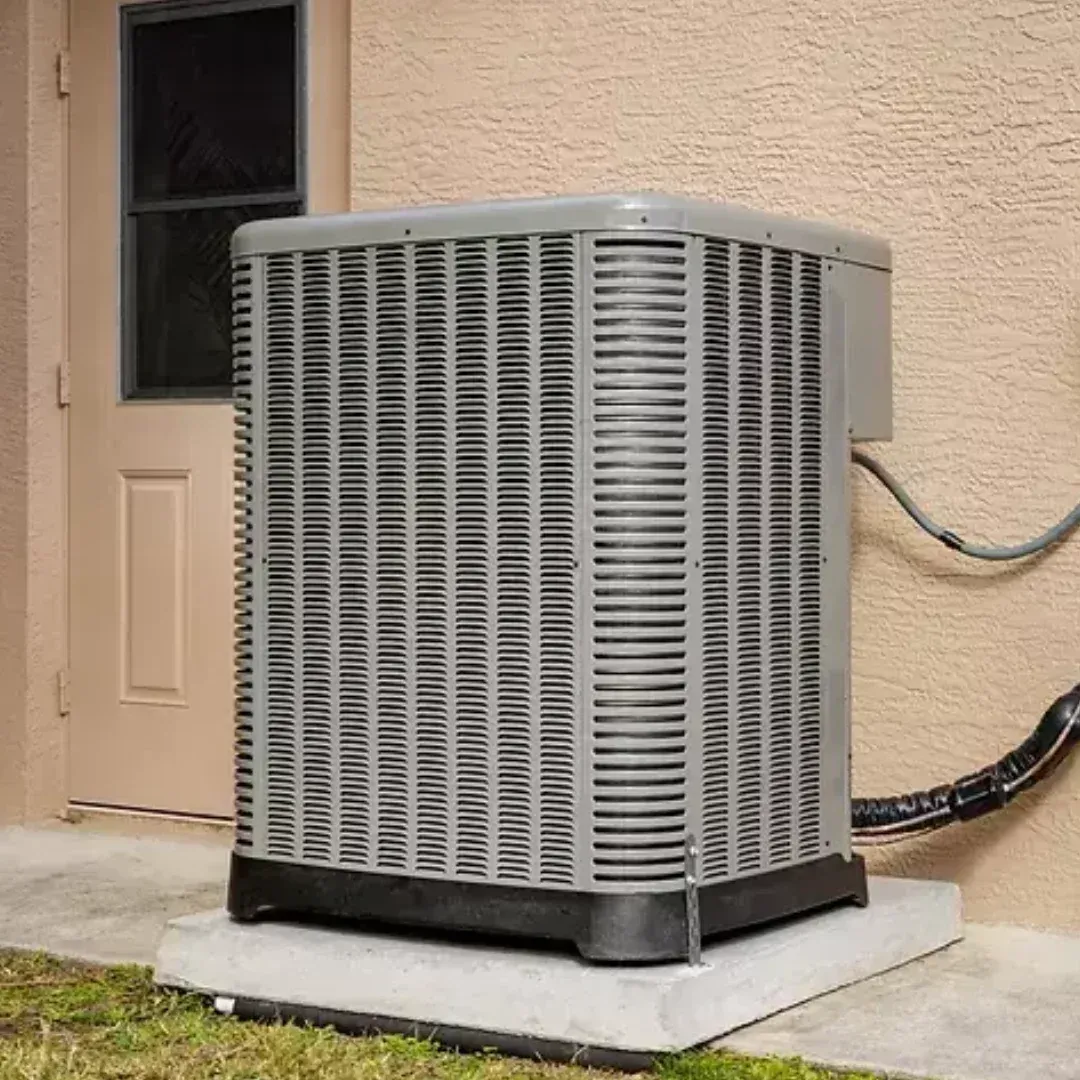
Key components that help projects qualify include a variable-speed AC compressor or variable-speed heat pump, a variable-speed ECM blower motor, a thermal expansion valve (TXV) for precise refrigerant metering, and a smart thermostat like Ecobee, Honeywell T-Series, Carrier Cor, or Trane ComfortLink that supports better staging and remote monitoring. Whole-home dehumidifiers, UV-C germicidal lights, and media air cleaners do not typically drive the main rebate amount, but they can contribute to measurable comfort improvements and sometimes help with program adders when part of a comprehensive plan.
The R-32 refrigerant transition and rebate math
R-32 refrigerant is now common in 2025 and 2026 model year systems from Trane, Carrier, Lennox, Goodman, Rheem, York, Daikin, Mitsubishi Electric, and Amana. These systems are engineered for higher efficiency and often home energy rebates ship with improved coil designs and inverter technology at key price points. That combination means more models meet the required SEER2 and HSPF2 thresholds for incentive eligibility. Homeowners weighing a repair on an older R-410A system should factor in parts availability and long-term service costs as the market shifts. If an evaporator coil or compressor fails on a 12 to 14 year old R-410A system, replacement with an R-32 or R-454B system can unlock rebates and reduce operating cost, while avoiding parts scarcity on legacy refrigerant equipment in the next few years.
Costs and rebates: realistic 2026 North Atlanta ranges
Installed HVAC pricing varies by home size, duct conditions, and staging or variable-speed options. In the North Atlanta metro, the 2026 installed ranges commonly run:
For a standard 14 to 16 SEER2 single-stage system, $5,500 to $8,500 installed. For a mid-tier 16 to 18 SEER2 two-stage system, $8,500 to $13,000 installed. For an 18 to 22 SEER2 variable-speed inverter system, $13,000 to $22,000 installed. Ductwork modifications add $1,500 to $5,000 when return air sizing and static pressure corrections are needed. Whole-home dehumidifiers typically install for $1,800 to $3,500. Media air cleaners run $600 to $1,500. UV-C lights add $400 to $900.
Rebate and tax credit amounts are program-dependent. Federal Energy Efficient Home Improvement Credits can reduce tax liability for qualifying heat pumps and advanced controls, with a heat pump cap that often reaches up to $2,000 depending on equipment efficiency and tax status. Utility incentives from programs similar to Georgia Power’s efficiency offerings typically range from several hundred dollars to a few thousand dollars for HVAC when combined with duct sealing and insulation. State-administered programs such as HEAR and HOMES are being implemented in Georgia, with income and savings-based tiers that can raise total incentives for whole-home projects. Some programs offer separate incentives for a professional home energy assessment. Historically, utility or state programs have offered $50 to $200 toward a qualified audit in the region, subject to current funding. Exact eligibility and amounts depend on active funding cycles in 2026 and documentation requirements at the time of application.
What an energy assessment looks for in a North Fulton home
A thorough assessment measures energy flow, not guesswork. In Alpharetta, Roswell, and Johns Creek homes, the biggest culprits are duct leakage in the attic, poor return air sizing to upstairs bedrooms, low attic insulation relative to R-49 targets, air leaks at top plates and can lights, and equipment that is staged incorrectly for the true cooling load. On homes near Holcomb Bridge Road, Old Milton Parkway, Mansell Road, Windward Parkway, and State Bridge Road, a predictable pattern shows up. The upstairs system is sized for temperature, not humidity, and it cycles rapidly without dehumidifying. Meanwhile, a clogged condensate drain line or a tripped float switch hides in the background and shuts the system off on peak days, which tanks efficiency scores and causes rebate-qualifying savings to disappear if not corrected.
Field measurements include static pressure readings across the air handler, supply and return plenum, and key branch runs. A duct blaster test quantifies leakage. A Manual J load calculation factors square footage, window orientation, insulation levels, and occupancy. The technician verifies blower motor type and amperage (PSC, ECM, or variable-speed ECM), checks that the thermal expansion valve responds correctly, inspects the evaporator coil for fouling or refrigerant leaks, and confirms thermostat communication. On heat pump systems, the defrost board and sensors are checked, and on gas systems, the heat exchanger is inspected for cracks that create safety issues and reduce efficiency. These steps build the documentation that programs in 30004, 30005, 30009, 30022, 30076, and 30041 zip codes require to award whole-home rebates.
What upgrades typically “stack” best with home energy rebates
In practice, stackable projects bundle a high-efficiency HVAC system with targeted building envelope and airflow fixes. The goal is measurable energy reduction and a permanent comfort improvement during Georgia’s worst humidity. The most common winners include:
- Variable-speed heat pump or variable-speed SEER2 AC matched to a variable-speed ECM blower, validated by a Manual J and Manual D review Duct sealing using mastic and metal-backed tape, plus return air sizing corrections to cut static pressure and reduce upstairs temperature spread Attic insulation upgrades to reach around R-49 or better, coupled with air sealing of top plates and can lights to reduce attic-to-home leakage Smart thermostat integration that manages staging and dehumidification while providing run-time data for rebate documentation Whole-home dehumidifier addition to hold indoor relative humidity in the 45 to 55 percent range during July and August
Homes in Windward, Crooked Creek, and Glen Abbey often need both duct modifications and a variable-speed compressor to hit modeled savings targets. Estates in The Manor and White Columns with multi-zone layouts can reach the top efficiency tiers if zone dampers are tested and adjusted, bypass dampers are eliminated or reconfigured, and static pressure is kept in manufacturer-approved ranges for inverter operation.
Why variable-speed beats single-stage for Georgia humidity
Single-stage AC systems run at 100 percent output or they are off. They cool the air quickly and shut down, which leaves moisture behind. That drives humidity spikes and comfort complaints, even if the thermostat says 72. Variable-speed compressors modulate output, which stretches run time at lower speed. That pulls moisture out of the air while maintaining steady temperature. The added dehumidification load is why variable-speed designs often meet SEER2 and HSPF2 thresholds in Georgia that single-stage systems miss. Rebates and tax credits are calibrated to reward this outcome because it saves energy and extends equipment life through soft starts and reduced cycling stress on the compressor, contactor, and capacitors.
Heat pumps, dual fuel, and electrification in North Atlanta
Heat pumps have changed. Variable-speed inverter heat pumps from Trane, Carrier, Lennox, Daikin, and Mitsubishi Electric deliver heat well below freezing and can hold temperature during North Atlanta cold snaps that used to cripple older units. In 30350, 30338, 30040, and 30041, many homeowners are selecting heat pump primary with a gas furnace as dual-fuel backup. That pairing achieves strong efficiency gains while preserving high-output heat for those December and January nights when the Chattahoochee River corridor sees wind chills dip into the teens. Dual fuel also tends to qualify under a broad set of rebate rules because it reduces overall natural gas and electric usage across the year compared to legacy setups.
Technical details that trip rebate applications if missed
Programs require proof. Without documentation, they do not pay. Several details derail otherwise strong projects. An incorrect line set size during a replacement can violate manufacturer specs and cast doubt on the rating. A TXV misadjusted at startup can produce low superheat and a frozen evaporator coil, or high superheat and poor capacity, undercutting efficiency testing. High static pressure caused by undersized returns can force a blower into high watt draw that erases the expected SEER2 rating in the field. A control board set to aggressive short cycles can leave humidity high. Missing serial and model numbers in photos delay or deny payments. These issues are common when a contractor rushes an install to meet a heat wave without closing commissioning steps.
Local proof points between GA-400 and Roswell Road
On homes near the Avalon and North Point Mall corridors in 30009 and 30022, airflow corrections have unlocked more rebate dollars than any other single line item besides the equipment itself. A Roswell project off Holcomb Bridge Road reduced duct leakage from 28 percent to 6 percent with mastic sealing and two new return drops. That change alone improved comfort upstairs by 4 degrees on peak days and moved the overall savings model into a higher utility incentive tier. A Johns Creek home in Country Club of the South paired a Mitsubishi Electric variable-speed heat pump with an ERV for fresh air ventilation, allowing window humidity to settle in the mid 40s even during rain-soaked July weeks. The project received utility incentives plus a federal tax credit because the system efficiency met current thresholds and documentation was complete.
Appliance and panel upgrades tied to home energy rebates
Some programs include incentives for heat pump water heaters, induction cooktops, smart panels, and electrical upgrades that support HVAC electrification. In East Cobb 30068 homes with older panels, a modest panel upgrade allowed installation of a variable-speed heat pump and a heat pump water heater under the same incentive umbrella. Stacking these measures created a measurable drop in annual kWh usage, which hit the modeled savings target for a higher whole-home rebate. Rebates tend to reward combinations that eliminate inefficient electric resistance heat, seal ducts, and manage humidity with longer, lower-speed HVAC run time.
Homeowners researching often ask about paperwork and timing
Paperwork depends on the program. Utility incentives typically want pre-approval for larger projects, a copy of the Manual J, documentation of duct testing, installation photos, and model and serial number photos that verify SEER2 and HSPF2 ratings. Federal tax credits run through a homeowner’s tax filing and require Manufacturer’s Certification Statements and accurate receipts. State-administered HEAR or HOMES rebates add income documentation and project modeling to confirm the savings tier. Timing matters in North Atlanta because summer demand spikes between May and September. Many programs run on annual or multi-year funding cycles, so funding windows open and close. Homes near Alpharetta City Hall and Wills Park often schedule energy assessments in spring to get in front of the summer rush. The safest approach is to secure pre-approval before the install when required and to gather commissioning proof in real time during startup.
Brands and models that stand out in 2026 for rebate eligibility
Variable-speed inverter systems from Trane (TruComfort), Carrier (Greenspeed), Lennox (SL series), Daikin (Fit and inverter platforms), Mitsubishi Electric (Hyper-Heat for ducted and ductless), Amana, Goodman, Rheem, and York are qualifying at high rates when matched with properly sized ductwork and a TXV or equivalent metering device. For ductless mini-split projects in basement offices near Big Creek Greenway or bonus rooms over garages in Milton, Mitsubishi Electric and Daikin multi-zone inverters often help with targeted cooling where duct runs are impractical. SEER2 ratings in the high teens with strong part-load humidity control are achievable, and when documentation proves savings, rebates follow. Smart thermostats like Ecobee and Honeywell T-Series models play a supporting role by enabling staged cooling combined with dehumidification control, which keeps field performance aligned with rated numbers.
The role of ductwork in qualifying, especially in 30004 and 30009
For homes along Union Hill Road, Old Milton Parkway, and Windward, the duct system is often the limiting factor. Static pressure above manufacturer limits forces a variable-speed blower into high watt draw. That slashes real-world SEER2 and drags down savings projections. Increasing return air size with a dedicated upstairs return, sealing supply trunk joints, and balancing zone dampers resets the system into a low-pressure sweet spot. Many programs reward duct sealing separately. The documentation requires before-and-after numbers. Expect a duct blaster test reading to be included with rebate paperwork and photos of mastic-sealed joints and new return grilles for proof.
Humidity control as a rebate-friendly upgrade
It is hard to run efficient cooling when indoor humidity stays above 60 percent. A whole-home dehumidifier integrated with the supply plenum and controlled by a dehumidistat smooths run time and offloads latent load from the AC. In Alpharetta and Johns Creek, that step often eliminates the need to drop the thermostat two extra degrees at night. It saves energy and stabilizes comfort in upstairs bedrooms over garages or bonus rooms with knee walls. Some programs count dehumidification as part of the whole-home savings model when run-time data from a smart thermostat shows reduced compressor use. The result is a more livable home and stronger eligibility for incentive tiers tied to modeled or measured savings.
What impacts rebate stacking in North Atlanta homes
- Documented savings percentage from combined HVAC, duct, and insulation measures Equipment certifications such as SEER2, HSPF2, and ENERGY STAR where required Proof of quality installation including load calculations, commissioning data, and static pressure results Program timing relative to funding windows and pre-approval steps Income-based tiers for certain state-administered rebates that raise or cap incentive amounts
What homeowners researching should know about taxes and credits
Federal Energy Efficient Home Improvement Credits run through a homeowner’s tax return for the year the equipment was placed in service. Eligibility depends on efficiency ratings and installation dates. HVAC contractors do not provide tax advice, but they do provide Manufacturer’s Certification Statements and invoices that document model numbers and eligible costs. In North Atlanta, many households combine federal credits with utility incentives in the same project year. If a program requires pre-approval, the contractor coordinates the sequence so that installation does not start before approval arrives.
Common installation pitfalls that cost homeowners rebates
There are patterns the team sees every summer. A variable-speed heat pump is installed without correcting static pressure, so the blower ramps at high watt draw and the measured efficiency undercuts the model. A new system uses a legacy line set with kinks or incorrect diameter, which adds pressure drop and reduces capacity. An installer leaves a fixed-orifice metering device on a new system that was engineered for a TXV, which causes erratic pressures on high dewpoint days. The condensate drain is not trapped per manufacturer instructions, leading to water leaks or float switch trips on the first 90-degree day in May. Any of these issues can nullify savings calculations or delay rebate payments due to rework and missing documentation. A complete commissioning checklist that includes superheat and subcool readings, control board settings, thermostat staging verification, and photo records avoids these setbacks.
How applies to luxury estates and townhomes alike
Large estates near Atlanta National, The Manor, and White Columns often run multiple zones and require advanced staging control to hit efficiency numbers. Small errors in zone damper setup or bypass dampers create pressure imbalances that waste energy. Duct testing and rebalancing are mandatory for both comfort and rebates. On the other end of the spectrum, townhomes near Avalon or along Roswell Road with limited attic access benefit from targeted duct sealing, a variable-speed heat pump or two-stage AC, and a smart thermostat that trims nighttime humidity. Both property types can qualify for incentive stacking if the installation achieves verified savings and meets documentation standards.
What a North Atlanta homeowner can expect during a rebate-focused project
First comes a site visit that includes a Manual J, duct inspection, and static pressure testing. The plan outlines equipment options across single-stage, two-stage, and variable-speed with SEER2 ratings. It identifies return air improvements, supply trunk fixes, and insulation or air sealing steps that raise the savings model. The contractor coordinates pre-approval with the active utility or state program if required. Installation follows, with commissioning photos and readings captured in real time. The team submits paperwork to the program and provides the homeowner with an itemized invoice, manufacturer documentation, and any forms needed for a federal tax credit. In peak summer, the schedule is tight across GA-400 from Cumming to Sandy Springs, so homes in 30004, 30005, 30009, 30022, 30075, 30076, 30068, 30350, and 30338 benefit from booking early.
Case examples near Old Milton and Mansell that show results
An Alpharetta 30005 two-story near Webb Bridge Road had a 14-year-old R-410A single-stage AC and an 80 AFUE furnace. A variable-speed SEER2 heat pump with a 96 AFUE furnace backup replaced the system. Two new returns were added to the upstairs hallway, duct joints were sealed, and insulation was topped up toward R-49. The home’s upstairs temperature spread dropped from 7 degrees to 2 degrees on August afternoons, run time smoothed out, and indoor humidity fell from 62 percent to 49 percent. Utility incentives plus a federal tax credit offset a portion of the project, and the documentation met the program’s savings threshold.
A Roswell 30076 ranch in the Historic Roswell area with a finished basement upgraded to a Carrier variable-speed heat pump and sealed basement ductwork that previously leaked 22 percent. A smart thermostat staged longer low-speed cooling cycles to pull moisture out. A whole-home dehumidifier kept relative humidity between 45 and 50 percent in early September. The homeowner saw lower Georgia Power bills in the next billing cycles and received a utility rebate after submitting model and serial photos, commissioning data, and duct leakage results.
Key takeaways for homeowners comparing options
Local experience matters. A contractor who works daily across Union Hill Road, Old Milton Parkway, Windward, Mansell, and Holcomb Bridge knows which neighborhoods tend to have undersized returns, which years of construction used leaky boot connections, and how to design a system that meets both comfort goals and program thresholds. Upgrading to a variable-speed system without duct corrections leaves savings on the table. Skipping documentation can delay or deny payments. Pairing HVAC with duct sealing, insulation, and humidity control raises modeled savings and unlocks higher tiers. The R-32 transition makes modern systems more rebate-friendly and reduces long-term service risk compared to R-410A legacy equipment. Most important, homes that solve humidity and airflow problems feel cooler at the same thermostat setpoint and run fewer emergency calls in late July.
Practical timeline for North Atlanta rebate projects
Spring is the sweet spot for assessments along the GA-400 corridor. That schedule allows pre-approvals to clear and installations to finish before Ameris Bank Amphitheatre’s summer season brings the first heat spikes. Summer installs are common too, but funding windows can tighten by late August depending on program usage. Fall projects near Big Creek Greenway and Halcyon often focus on dual-fuel heat pumps and furnace upgrades before cold snaps arrive. Winter installs emphasize indoor air quality, heat pump defrost performance, and gas furnace safety checks, with rebates that tilt toward insulation, duct sealing, and high-efficiency heating equipment.
FAQ on home energy rebates in Alpharetta and the North Atlanta metro
How large can the total incentives be? It depends on income eligibility for state-administered programs, the measured or modeled savings percentage, and the equipment chosen. Many North Atlanta homeowners see combined value in the low thousands when HVAC upgrades pair with duct and insulation work. Whole-home tiers can be higher if savings thresholds are met and funding is available.
Do programs cover 100 percent of costs? No. Incentives reduce costs rather than eliminate them. Most homeowners finance part of the project and use rebates and credits to offset the investment.
Is a home energy assessment required? For whole-home rebates, yes. Programs often require an assessment and documentation, including photos, model numbers, and test results. Some programs contribute a small incentive toward the cost of the assessment, subject to active funding.
Will replacing just the outdoor unit qualify? Usually not by itself. Many programs require matched systems with verified efficiency ratings and may require duct testing and commissioning data that a simple outdoor-only swap cannot satisfy.
Can mini-splits qualify? Yes, when efficiency thresholds are met and the design produces measurable savings. Ductless systems are popular for bonus rooms and offices in Milton and Johns Creek, but documentation still matters.
What to include in your plan if you are searching for
Homeowners comparing contractors in Alpharetta 30004 and 30009 should expect a Manual J load calculation, static pressure and duct leakage testing, a written scope that addresses return air sizing and insulation or air sealing if needed, equipment options that identify SEER2 residential energy rebates and HSPF2 ratings, a commissioning plan with superheat, subcool, and control settings, and a rebate documentation checklist that lists photos and model labels required by the program. That plan should connect every line item to the comfort goals that prompted the project in the first place.
How One Hour North Atlanta structures rebate-focused projects
At project start, the team documents the home with the same rigor used to diagnose AC short cycling or warm air from vents during a peak July service call. Measurements include static pressure, return grille size, blower type, coil condition, refrigerant metering device type, thermostat model, and duct leakage. The proposal pairs a right-sized SEER2 system with necessary duct corrections. Documentation is planned at the start so model label photos, commissioning screenshots, and duct test results are ready for submission the same day the work is complete. Installers are trained on manufacturer platforms including Trane, Carrier, Lennox, Goodman, Rheem, York, Daikin, Mitsubishi Electric, and Amana to ensure equipment is configured to meet rated efficiency. For homeowners focused on outcomes, this process is the difference between an incentive paid in weeks and a project stuck in review.
Local context that makes or breaks savings in North Atlanta
Humidity control is the key in our market. The GA-400 corridor’s summer dewpoints strain any system that is oversized or operated without dehumidification logic. Two-story plans from Avalon to Crabapple suffer when upstairs returns are undersized. Estates in Milton need thoughtful zoning that limits static pressure. East Cobb and Dunwoody homes from the 1980s and 1990s often leak at supply boots and plenum seams that were never sealed with mastic. Correcting these issues produces durable savings and predictable comfort, which in turn satisfies rebate modeling and prevents callbacks. If a contractor skips this local knowledge, any rebate-eligible design risks underperforming.
What residents should prepare before scheduling
Gather recent utility bills, note rooms that run hot or cold, and identify any past repairs such as capacitor replacement, contactor replacement, fan motor replacement, or evaporator coil service. Note thermostat behavior, including short cycling or humidity complaints. Make the attic and mechanical areas accessible. If the home has zoning, record which zones run longer or fail to reach setpoint. Provide the home’s approximate year of construction and any known insulation or window upgrades. This context shapes the Manual J and duct plan and tells the story programs need to see when evaluating a whole-home rebate.
Ready to act on and home energy rebates in North Atlanta
One Hour Heating and Air Conditioning of North Atlanta designs and installs rebate-ready HVAC systems across Alpharetta, Milton, Roswell, Johns Creek, Sandy Springs, Dunwoody, East Cobb, and Cumming. The team operates from 1360 Union Hill Road Suite 5F, Alpharetta, GA 30004 for rapid dispatch along GA-400 and the Old Milton, Windward, Mansell, and Holcomb Bridge corridors. Projects are built on Manual J load calculations, Manual D duct sizing checks, and complete commissioning. NATE-certified technicians and EPA Section 608 certified personnel handle diagnostics and installation. The company is Georgia Conditioned Air Contractor licensed and coordinates manufacturer warranty registration across Trane, Carrier, Lennox, Goodman, Rheem, York, Daikin, Mitsubishi Electric, and Amana. StraightForward upfront pricing applies to every proposal. The Always On Time Or You Don’t Pay A Dime guarantee and a 100 percent satisfaction commitment back the work. 0 percent financing on qualifying projects is available. The team participates in the Georgia HEAR rebate framework and supports utility paperwork. Homeowners comparing options and home energy rebates can schedule an assessment to map savings, verify documentation requirements, and reserve an installation window before peak summer demand.
One Hour Heating
& Air Conditioning
North Atlanta Division